


The Problem with Waiting Until It Breaks
Planned maintenance with dry ice blasting is one of the most overlooked ways to reduce downtime and increase reliability. In our line of work, it’s easy to get the call when something’s already gone wrong—a clogged sensor, a fouled-up mould, or a production line limping along because no one had time to shut it down last week. And while we’re more than happy to sort those situations out, there’s a smarter way to do things—and it starts with planning ahead.
Dry Ice Blasting: Not Just for Emergencies
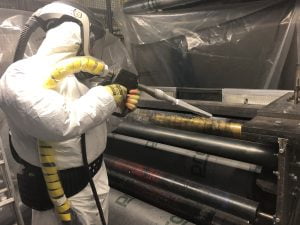
Dry ice blasting really shines when it’s part of a planned maintenance schedule. It’s quick, clean, and safe to use on live equipment—no water, no chemicals, and no need to strip everything down. That means we can clean critical machinery in-situ with minimal disruption.
What Industry Leaders Are Doing Differently
Across sectors—from food production to aerospace—we’re seeing forward-thinking maintenance teams schedule regular dry ice blasting sessions. Why? Because it works. It keeps lines cleaner for longer, reduces product rejection, and gives them fewer headaches at audit time.
Key Benefits:
Cuts unplanned downtime
Reduces reliance on aggressive chemicals
Keeps your compliance team happy
Protects equipment without wear or damage
Take Control of Your Maintenance Schedule
With planned dry ice blasting, you’re not reacting to problems—you’re staying ahead of them. You choose the timing. You stay on top of output targets. And we make the grime disappear before it causes trouble.
It’s not just about cleaning; it’s about control. When dry ice blasting is part of your maintenance calendar, there’s less firefighting and more confidence. Machines run smoother, operators report fewer faults, and inspections become routine rather than stressful.
You’re also saving more than just time. Planned cleaning means fewer consumables, no secondary waste, and less wear and tear on delicate components. That’s better for the environment, better for your budget, and better for your team’s workflow.
In short, it’s a smarter, cleaner way to stay productive. And if you ask us, that’s the kind of maintenance everyone should be planning for.